Espero que os gustase el cuento que dejé la semana pasada sobre la tolerancia y, sobre todo que nos ayude a querer a los demás tal y como son.
Hoy vamos a ver un corto sobre la resolución de conflictos, eso que a veces nos cuesta tanto...
Este corto se llama "El puente", y cuando terminéis de verlo me gustaría que escribierais en comentarios que dos cosas han sido necesarias para superar el problemilla que hay. A ver quién lo adivina...
También me podéis decir si os ha gustado y recordad poner el nombre en vuestro comentario. ¡Un abrazo!
Hello everyone!!! Let´s check your homework!! Activity 3
Activity 4
Activity 3
Here you have the lesson to study tomorrow
WHY DOES ICE CREAM MELT?
Energy is everywhere even though we can not see it. There are different forms of energy.
La energía está en todas partes aunque no podamos verla. Hay muchas formas de energía diferentes.
1.Thermal energy: anything that is hot contains thermal energy. The sun is the bigges producer of thermal energy.
Energía térmica:cuanquier objeto que esté caliente contiene energía térmica. El sol es el mayor productor de energía térmica.
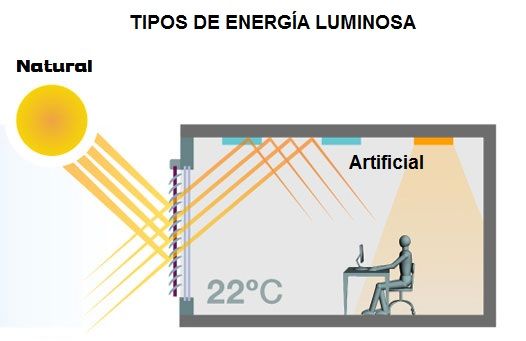
2. Light energy: comes from the light. The sun also produces this energy.
Energía lumínica: procede de la luz. El sol también produce este tipo de energía. Puede ser natural, como la del sol o artificial, como la que nos da una bombilla.
3. Sound energy: anything we can hear has sound energy, it travels in waves.
Energía sonora o acústica:cualquier cosa que podamos oír tiene energía sonora, se transmite a través de ondas. Si cuando escuchamos música tocamos los altavoces podemos notar las vibraciones por las ondas.
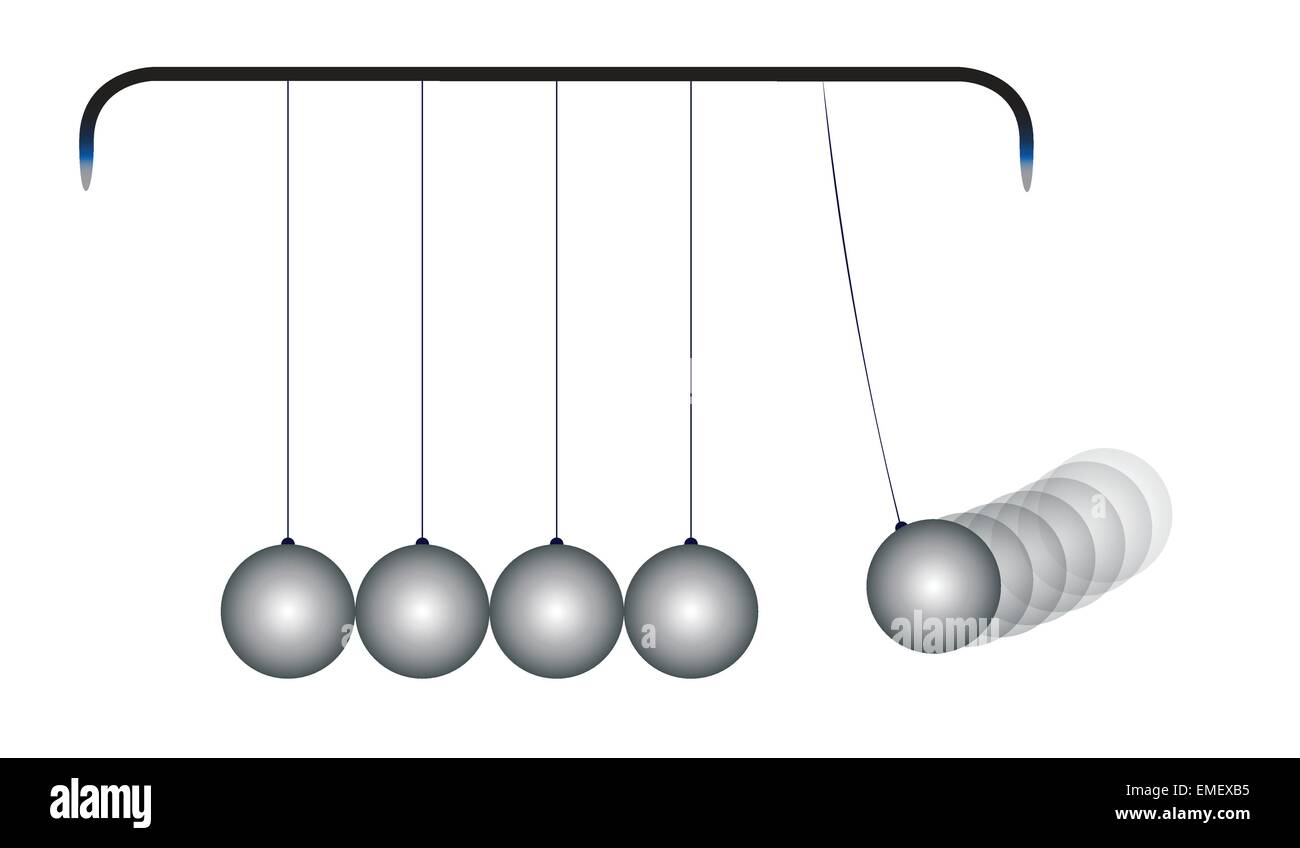
4. Kinetic energy: anything that moves has kinetic energy.
Energía cinética: cualquier cosa que se mueve posee energía cinética.
5. Electrical energy: we use it to make machines work. It can be changed into light, sound, thermal and kinetic energy.
Energía eléctrica: la usamos para hacer que las máquinas funcionen. Puede ser transformada en energía lumínica, acústica, térmica o cinética. Por ejemplo, cuando enchufamos una lámpara la energía eléctrica se transforma en lumínica, si enchufamos un radiador se transforma en térmica...
Hi children!! Let´s check what are the answers to the questions about the script. 1. Who are the characters?
The characters are a police officer, a robber and a woman. 2. What is the missing object?
The missing object is a diamond necklace. 3. Where was it?
It was on the table.
Tomorrow you will have to do the page 75 on your Activity Book. Activity 1. Read again the script and order the sentences. Activity 2. You have to choose the correct option to complete this script.
Recordad que las palabras que terminan en -ly son adverbios.
happy (feliz) happily (felizmente)
slow (lento) slowly (lentamente)
Hello!!! How are you today? I´m great and I hope you too!! To start we are going to check the activities. Activity 2. Page 77. Pupil´s Book.
There are only two correct answers.
- The sunglasses were on the table.
- The book was under the mat.
Activity 1. Page 74. Activity Book.
Activity 2. Page 74. Activity Book.
And...? How was it? I think that the activities were very easy!! Tomorrow we are going to read a script. A sript tells actors what they have to say and do. Each actor has a character. Actors use scripts in films, TV programmes and hte theatre.
Mañana leeremos un guión. Los guiones dicen a los actores lo que deben decir y hacer. Cada actor tiene un personaje.
Los actores usan guiones en películas, programas de televisión o en obras de teatro.
Read and listen to the script on page 78, Pupil´s Book. Then copy and anwer these questions on your notebook.
Hi children!!! How are you today? Did you enjoy the weekend? Here you have the answers to check your homework. Activity Book. p.73.
Tomorrow we will practice Speak and spell. Go to your Pupil´s Book, page 77. Activity 1. Listen, read and say.
This is very important, when you see "wr" as in "write, wrong, wrap...", you have to say the sound "r".
Listen to the chant, read it and repeat it!!